Shipping freight across the Canada-U.S. border demands more paperwork than almost any other domestic logistics process, and customs documentation errors remain the single most preventable cause of border delays. For small and medium-sized businesses in Ontario and Quebec handling their own LTL customs documentation, one wrong field on a commercial invoice or a mismatched bill of lading can hold an entire shipment for days. The consequences extend well beyond the border: missed delivery windows, added storage fees, and strained relationships with customers who expected goods on time. What makes this especially frustrating is that most of these errors follow predictable patterns, and once you know where to look, they are straightforward to fix.
The commercial invoice is the foundation of every cross-border customs clearance process, and errors here cascade into every downstream step. When customs officers at either CBSA or CBP flag an inconsistency on the invoice, the shipment enters a review queue that can last anywhere from a few hours to several business days. Understanding the most frequent invoice mistakes helps you catch them before your freight leaves the dock.
Harmonized System (HS) codes classify your goods for tariff and regulatory purposes, and they must be accurate on every cross-border shipment. Canada uses 10-digit HS codes while the U.S. uses the Harmonized Tariff Schedule (HTS) with its own classification structure, and understanding how these systems map to each other is essential. Many shippers reuse codes from past shipments without verifying whether the product description has changed, which triggers classification mismatches at the border. CBSA and CBP both treat incorrect tariff codes as a compliance issue, meaning the shipment can be held for re-examination, reclassification, and potential duty reassessment.
Commercial invoices must include complete legal names, addresses, and contact details for both the shipper and the consignee. Abbreviations, outdated addresses, or mismatched entity names between the invoice and the bill of lading create discrepancies that customs systems flag automatically. For businesses in Quebec, bilingual documentation requirements add another layer of complexity. A missing postal code or an incorrect province abbreviation might seem minor, but automated customs screening systems treat any data inconsistency as a potential red flag that warrants manual intervention.
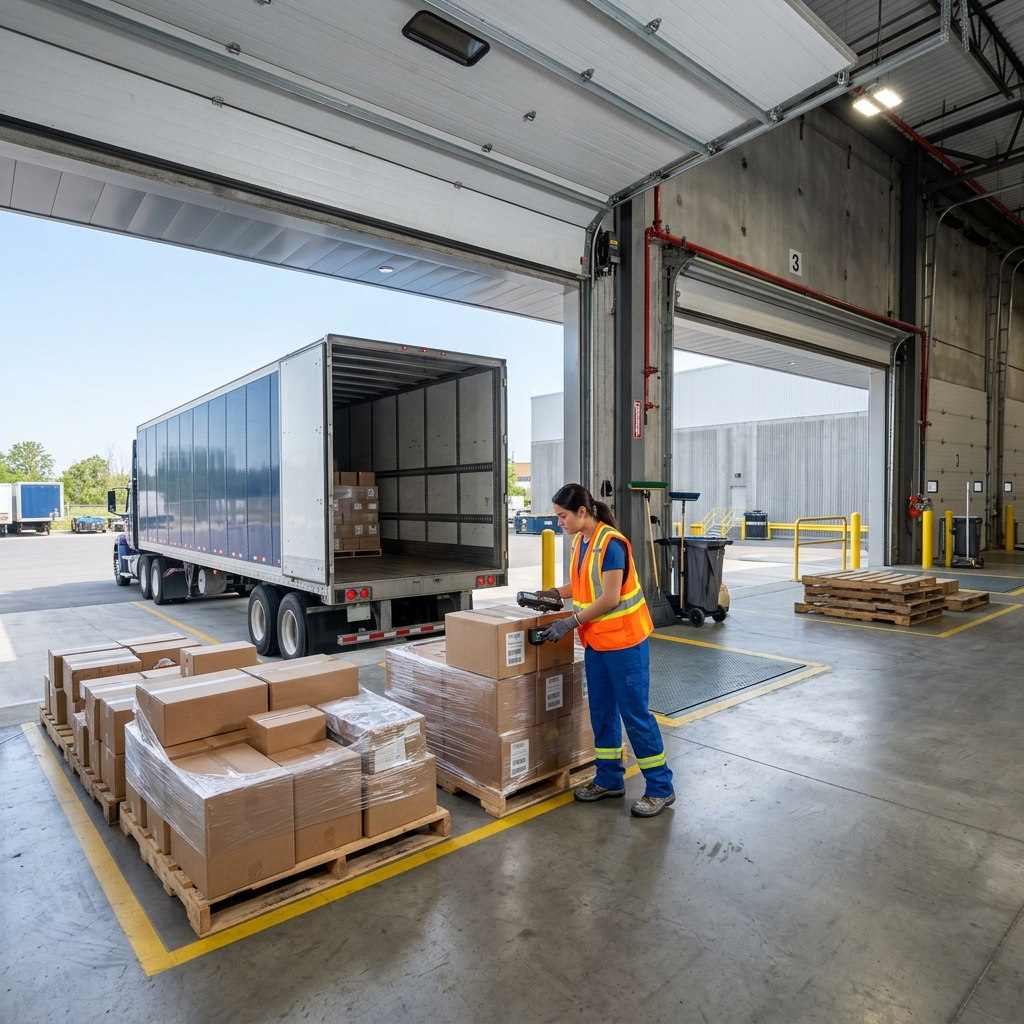
The bill of lading (BOL) is the backbone of every freight shipment, serving as the contract between shipper and carrier while also providing critical information to customs authorities. When the BOL contradicts other documentation in the shipment file, the entire package is treated as suspect. Many cross-border shipping documentation issues start here, long before the load reaches the border.
One of the most frequent causes of customs holds is a mismatch between the weight or piece count listed on the BOL and what physically arrives at the border. CBSA officers routinely cross-reference BOL data against the commercial invoice and any supplementary documentation. Even a discrepancy of a few kilograms can trigger an inspection if it suggests the goods were not properly declared. For LTL shipments where multiple consignments share trailer space, accuracy is especially critical because a single incorrect entry can delay all goods on that trailer.
Freight descriptions on the BOL must also match what appears on the commercial invoice. Vague terms like "general merchandise" or "mixed goods" are insufficient for customs clearance documentation and will almost always result in a request for more detail. Using specific, standardized commodity descriptions is a simple habit that eliminates a major category of preventable shipping errors.
Cross-border shipments rely on reference numbers to link documentation across multiple systems. When the BOL reference number does not match the customs entry, or when the carrier's PRO number is missing from the supporting paperwork, customs officers cannot verify the shipment against their records. This is particularly common when shippers book through one channel and generate documentation through another, creating gaps in the data chain. Ensuring that every document in the shipment file uses consistent reference numbers, from the quote confirmation to the final BOL, prevents these mismatches from stalling your freight at the border.
Fixing customs documentation errors after a shipment has been flagged is expensive and time-consuming. The more effective approach is building processes that catch mistakes before the freight leaves your facility. This is where the difference between manual vs automated customs documentation becomes most apparent, and where small operational changes deliver outsized results.
The most effective way to reduce cross-border shipping errors is to standardize your documentation process rather than relying on individual knowledge. A customs documentation checklist that covers every required field, from HS codes to declared values to consignee details, ensures nothing is missed regardless of who prepares the paperwork. Standardized processes also make it easier to train new team members and maintain consistency across high-volume shipping periods.
For businesses shipping from Ontario or Quebec into the U.S., reviewing customs documentation requirements Canada vs US side by side for each product category is worth the upfront investment. CBSA export requirements and CBP import rules do not always align, and assumptions about one side based on experience with the other lead to avoidable rejections. Maintaining a reference document that maps your most-shipped products to their correct codes, duty rates, and required certifications eliminates guesswork at the point of shipment.
Manual data entry across multiple disconnected forms is where most customs paperwork for freight goes wrong. When the same information, such as weights, addresses, and product descriptions, must be typed separately into a commercial invoice, BOL, and customs entry form, transcription errors are virtually guaranteed at scale. Digital freight platforms that use structured data entry fields reduce this risk by populating information once and carrying it across all related documents.
Platforms like Truxweb address this by building accurate shipment data into the booking process itself, ensuring that carrier coordination and documentation align from the start. When your quote request, booking confirmation, and shipping documents all draw from the same data set, the kind of mismatches that trigger border holds become far less likely. Combined with real-time visibility into shipment status and direct communication with carrier dispatch teams, digital tools turn customs documentation from a liability into a controlled, repeatable process.
Customs documentation errors on Canada-U.S. freight shipments follow predictable patterns: wrong HS codes, mismatched invoice data, vague commodity descriptions, and inconsistent reference numbers across documents. Each of these mistakes is preventable with the right processes and tools in place. For SMBs in Ontario and Quebec that ship LTL freight across the border, investing in a structured documentation workflow and leveraging digital platforms like Truxweb can eliminate the most common causes of border delays and keep deliveries on schedule.
Get instant freight quotes and streamline your cross-border shipping with Truxweb today.
The most common mistakes include incorrect HS/HTS tariff codes, mismatched shipper or consignee details between documents, inaccurate declared values, and vague product descriptions on the bill of lading.
Incomplete documentation typically results in the shipment being held at the border for manual review, which can add days to transit time and incur storage or examination fees.
At minimum, you need a commercial invoice, a bill of lading, and the correct tariff classification codes, though specific shipments may also require certificates of origin, permits, or export declarations.
Manual documentation increases the risk of transcription errors across multiple forms, while automated or digital documentation systems populate data once and carry it across all documents, significantly reducing delays caused by data mismatches.
Ontario-to-U.S. shipments require a completed commercial invoice with accurate HS codes, a bill of lading matching the invoice details, and compliance with both CBSA export requirements and CBP import regulations for the specific goods being shipped.